Sewer Line Repair for Clearwater Homeowners
Request an estimate today
A sewer line carries every drop from your sinks, showers and toilets out to the street or your septic system. When it cracks, clogs or collapses, wastewater has nowhere to go. It backs up into the house or soaks the soil outside.
Greecewhole Septic is a referral service. Referral, not repair. We match homeowners in Clearwater and the Clearwater area with independent local providers who inspect and fix sewer lines. Estimate first: describe what you see, and a provider in our network can follow up. The early signs are easy to miss. Slow drains, gurgling pipes, a faint odor, a wet patch in the yard. Act on them while the fix is still small.
Sewer Backup? Do This First
If sewage is coming up through a drain, act in this order.
- Stop all water use. No flushing, showers, laundry or dishwasher.
- Keep children and pets out of the affected area.
- Leave electrical items alone if water is near outlets.
- Open windows if the smell is strong.
Every gallon you send down adds to the backup.
Protect Your Health
Raw sewage carries bacteria. Wear gloves and boots if you must enter the area. Do not mix cleaning products. Leave the cleanup and disinfecting to a professional when you can.
Early Signs of a Sewer Line Problem
Most failures start quietly. These signs show up weeks or months before a backup.
Slow Drains in More Than One Place
One slow sink is usually a local clog. Slow tubs, toilets and sinks together point to the main line. A toilet that bubbles when the washer drains is a classic hint.
Odors and Gurgling
A sewage smell inside or near the foundation means gas is escaping from a crack or dry trap. Gurgling means air is fighting a blockage.
Wet or Unusually Green Ground
Soggy soil, a sunken strip or one very lush patch of lawn can mark a leak. Sewage feeds grass. Standing water on a dry day is a red flag.
What Damages Sewer Lines
Tree and Shrub Roots
Roots seek moisture. Even a hairline joint gap lets them in. Then they thicken and catch debris. Warm, wet climates push fast growth.
Aging or Weak Pipe
Homes from the 1970s through the 1990s may have clay, cast iron or thin plastic. These can crack, corrode or sag over time.
Storm-Soaked, Shifting Soil
Daily summer storms and hurricane-season rain saturate the ground. Soil moves, and pipes under slabs and driveways can shift or separate. Heavy rain can also push groundwater into a cracked line.
How Sewer Line Repair Works
Camera Inspection First
A provider feeds a small camera through a cleanout or drain. It shows the break, the root mass or the sag. You see the problem before you pay for a fix.
Spot Repair, Lining or Replacement
The repair matches the damage.
- Spot repair: dig down and replace one failed section.
- Lining: a resin sleeve is cured inside the old pipe with little digging.
- Replacement: new pipe is laid by trench or by pipe bursting.
With concrete block homes on slabs, a line under the floor may need a different approach than a yard line. Ask the provider to explain why.
Permits and Property Lines
The line from your house to the main belongs to you in many places. Past the property edge, the city or utility may own it. Some repairs need a permit and an inspection. The provider usually handles the paperwork. Ask who pulls it.
If you also use a private well, tell the provider. Water well service and sewer lines need safe spacing, and a good plan accounts for it. If your home is on septic, the trouble may be in the tank or drainfield instead. A provider can sort that out.
Keeping Your Sewer Line Healthy
- Flush only toilet paper. Wipes labeled flushable still clog lines.
- Keep grease out of drains.
- Plant trees well away from the line.
- Know where your cleanout is.
- Schedule a camera check on an older line.
Restoring Your Yard
Digging leaves a mess. Ask whether the quote covers backfill, grading, and replacing sod, pavers or concrete. Lining and trenchless methods cut down on yard damage. In a wet climate, loose fill settles, so ask how the provider compacts it.
Questions to Ask the Provider
- Will you run a camera before and after the work?
- Is the quote written, and does it list restoration?
- Who handles permits and inspections?
- What warranty comes with the repair, in writing?
- Is the provider licensed and insured in your state?
Request a callback to check provider availability in your area.
What's Included
Camera Line Inspection
A provider runs a camera through the pipe to find the exact break, blockage or root intrusion.
Spot Repairs
Replace one cracked or separated section without tearing up the whole line.
Trenchless Lining Options
A resin liner can seal an old pipe with far less digging in the yard.
Full Line Replacement
When pipe is collapsed or badly worn, providers lay new line from the house to the connection.
Typical Sewer Line Repair Costs
Prices vary by pipe depth, length, material and access. These are typical U.S. ranges only. Always get a written quote that lists every step before work starts.
| Service | Typical range | Notes |
|---|---|---|
| Camera inspection | $100 – $500 | Often applied toward the repair |
| Root clearing or jetting | $150 – $800 | Roots often grow back |
| Cleanout installation | $1,000 – $4,000 | Gives future access to the line |
| Spot repair | $1,000 – $4,000 | Depends on depth and surface |
| Trenchless lining | $3,000 – $12,000 | Less yard and slab disruption |
| Full line replacement | $3,000 – $25,000 | Length, depth and restoration drive cost |
How It Works
Describe the Signs
Tell us what you see: slow drains, odors, wet ground or a backup. Details help match the right provider.
Request an Estimate
Send the request form. A local provider in our network follows up with next steps.
Inspection and Quote
The provider checks the line, often by camera, then gives you a written quote.
Approve and Repair
You choose whether to go ahead. The provider completes the work and cleans up.
Why Call Greecewhole Septic
Clear Referral Model
Greecewhole Septic only connects you. Independent providers do the work and set their own quotes.
Estimate First
Describe the problem and request an estimate before you commit to anything. No obligation.
Local Providers
Providers in our network know area soil, storms and common home styles.
Early Action
Acting on small signs can keep a simple repair from becoming a full dig.
Other Services
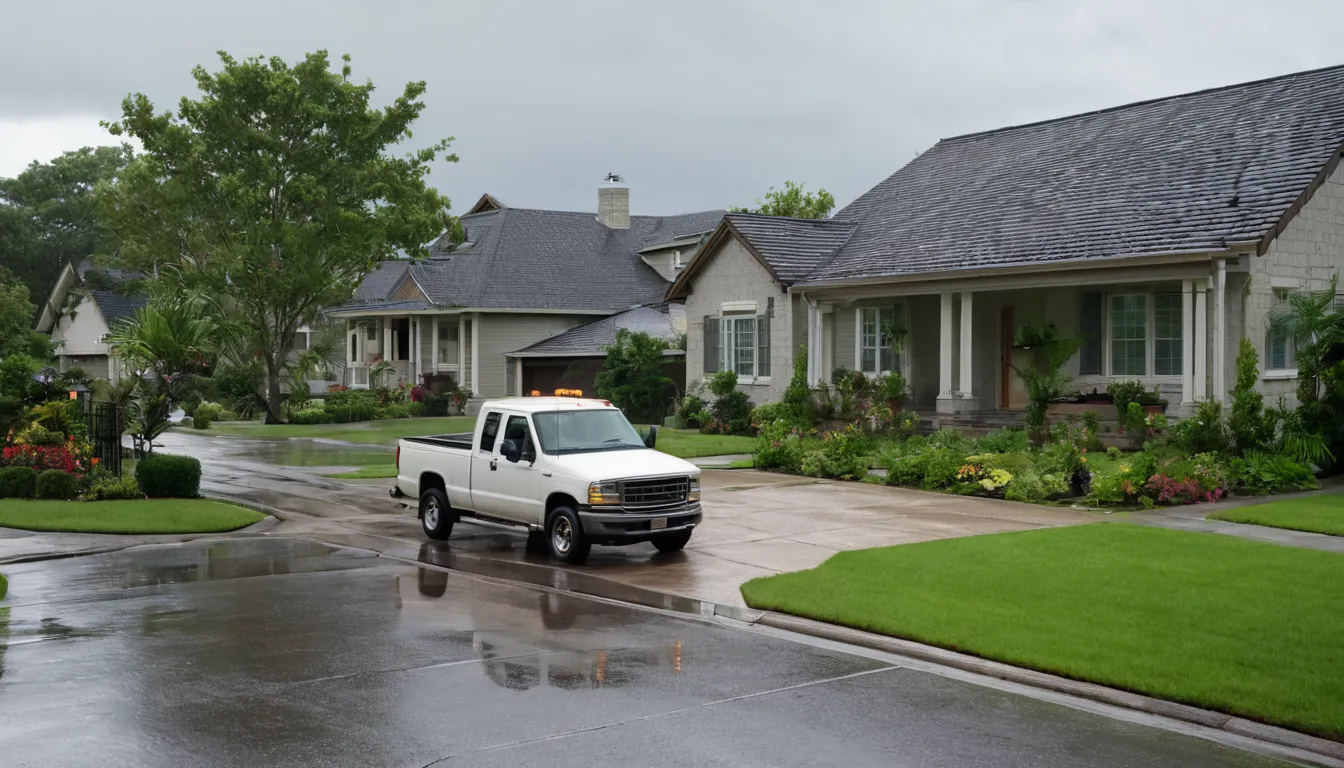
Need sewer line repair in Clearwater?
Seeing slow drains, odors or wet ground? Request an estimate and Greecewhole Septic will route you to an independent provider in our network.
No obligationSewer Line Repair FAQ
How do I know if my sewer line is damaged?
Watch for slow drains in several fixtures, gurgling pipes, sewage odors, soggy patches in the yard, or cracks in a slab. A camera inspection by a local provider confirms the cause.
How long does a sewer line repair take?
It depends on the method. Spot repairs and lining can take a day or two. Full replacements take longer. Ask the provider for a schedule in writing.
Does homeowners insurance cover sewer line repair?
Some policies may cover sudden damage, but wear, roots and age are often excluded. Check your policy. Providers can often help document damage for a claim.
Tell us what happened
Seeing slow drains, odors or wet ground? Request an estimate and Greecewhole Septic will route you to an independent provider in our network.
No obligation