Septic Tank Pumping for Homeowners
Request your pumping estimate
A septic tank collects waste from your home. Solids settle at the bottom and form sludge. Grease and light waste float to the top as scum. Pumping removes both layers so they cannot flow into the drainfield, where they cause clogs and costly damage.
Greecewhole Septic is a referral service. Referral, not repair: we do not pump tanks. We connect homeowners in the Clearwater area with independent providers in our network who do. Estimate first. Describe your system and the signs you see, and a local provider can help you plan the next step before a small issue grows.
Tank Full or Overdue? Start Here
Check these signs first. Each one points to a tank that may need pumping soon.
- Drains that run slow in more than one fixture
- Gurgling sounds from pipes after you flush
- Sewage odor indoors or near the tank lid
- Wet, spongy, or unusually green grass over the tank or drainfield
- Toilets that back up or flush weakly
Spot it early. A pump-out is a routine job. A failed drainfield is not.
If Sewage Is Backing Up Now
Stop using water. Skip laundry, showers, and the dishwasher. Every gallon you send down adds to the problem.
Keep children and pets away from any wet ground or standing sewage. Then ask about emergency septic cleaning. Request a callback to check provider availability, since hours vary by provider. Many providers can respond quickly to a backup.
Why Regular Pumping Matters
A tank has limited space. Once sludge and scum build up, the layers get too close to the outlet. Solids then escape into the drainfield pipes and soil.
Soil that clogs does not recover easily. Drainfield repair can be a major job. Pumping is far cheaper than that.
How Often Should You Pump?
Most households pump every three to five years. Your schedule depends on three things:
- Tank size: Smaller tanks fill faster.
- Household size: More people means more waste and water.
- Water use: Heavy laundry and long showers speed up buildup.
A garbage disposal adds solids, so it can shorten the interval. A provider can measure sludge depth and give you a schedule that fits your home.
Wet Weather and Humid Climates
Almost daily summer storms can saturate the soil. Saturated soil cannot absorb water from the drainfield. A tank already near full may then back up fast.
Hurricane season brings heavier rain and flooding. If your tank is due, pump before the season starts. Many homes here sit on slabs with few basements, so a backup often shows up in floor drains, tubs, and low fixtures first.
What Happens During a Pumping Visit
The provider locates the tank and opens the lid or lids. Older tanks may be buried, so finding them can take extra time. A hose and truck remove the liquid and solids.
Many providers then check the baffles and outlet. They look for cracks, leaks, and signs of backflow. Ask for notes on what they saw.
Pumping and Inspections
Pumping and inspecting are different jobs, though they often happen together. Pumping empties the tank. An inspection checks the parts.
A basic inspection looks at tank condition, baffles, and liquid levels. A deeper one can include the drainfield and distribution box. If you suspect a problem there, ask about drainfield repair options.
Homes With a Private Well
Many rural and suburban lots use both a septic system and a well. Keep them apart as the rules require. A failing system can affect groundwater.
If you rely on a well, ask a provider about water well service along with your pump-out. Testing water now and then is a smart habit.
Buying or Selling a Home With a Septic System
Lenders and buyers often ask for a septic inspection. Pumping first lets the inspector see the tank interior and judge its condition.
Sellers can request an estimate early. That leaves time to fix any issue before closing. Buyers should ask for pumping records and the age of the system.
Caring for Your System Between Pumpings
Small habits protect the tank.
- Flush only toilet paper and human waste
- Keep wipes, grease, and chemicals out of drains
- Spread laundry loads across the week
- Fix leaking toilets and faucets
- Keep vehicles and heavy loads off the tank and drainfield
- Plant only grass over the system, not trees
Questions to Ask the Provider
A few direct questions save trouble later.
- What is the total price, and is the quote in writing?
- How big is the tank, and how many gallons will you pump?
- Will you check baffles and the outlet?
- Do you give a written record of the visit?
- Are there extra fees for hard-to-find lids?
How Greecewhole Septic Routes Your Request
Here is how it works. You send a request or call. We pass it to independent providers in our network who serve your area. A provider contacts you and gives a quote. The provider does the work and sets the price.
What's Included
Tank Pumping
Removal of sludge and scum from the tank so solids stay out of your drainfield.
Baffle Check
Many providers look at the inlet and outlet baffles while the tank is open.
Emergency Septic Cleaning
For active backups, ask a provider about urgent pumping and what availability looks like.
Service Notes
Ask for a written record of tank size, condition, and the next suggested pumping date.
Typical Pumping Costs in the U.S.
Prices vary by tank size, access, and location. These are typical U.S. ranges only. Always get a written quote from the provider before work begins, and ask what is included.
| Item | Typical range | Notes |
|---|---|---|
| Standard pump-out (1,000 gal) | $300 – $600 | Common for smaller homes |
| Large tank (1,500+ gal) | $450 – $900 | More volume, higher price |
| Emergency septic cleaning | $500 – $1,200 | Urgent or off-hours work may cost more |
| Basic inspection | $150 – $400 | Often paired with pumping |
| Lid or riser access | $100 – $500 | Needed if the lid is buried |
| Effluent filter cleaning | $50 – $200 | Applies if your tank has one |
How It Works
Send a Request
Describe your signs and tank details through the estimate form. Request a callback to check provider availability if a backup is active.
Get Matched
We route your request to independent providers in our network.
Review the Quote
A provider contacts you with a price. Ask for it in writing before agreeing.
Provider Pumps Tank
The provider pumps the tank, checks key parts, and shares what they found.
Why Call Greecewhole Septic
Spot Early
Slow drains and odors are warnings. A routine pump-out when you see them can prevent a much larger repair bill.
Protect Drainfield
Pumping keeps solids out of the soil, which helps the drainfield last longer.
Local Providers
Independent providers in our network know local soil, storms, and typical tank setups.
Clear Referral
Referral, not repair. Providers do the work and set their own prices.
Other Services
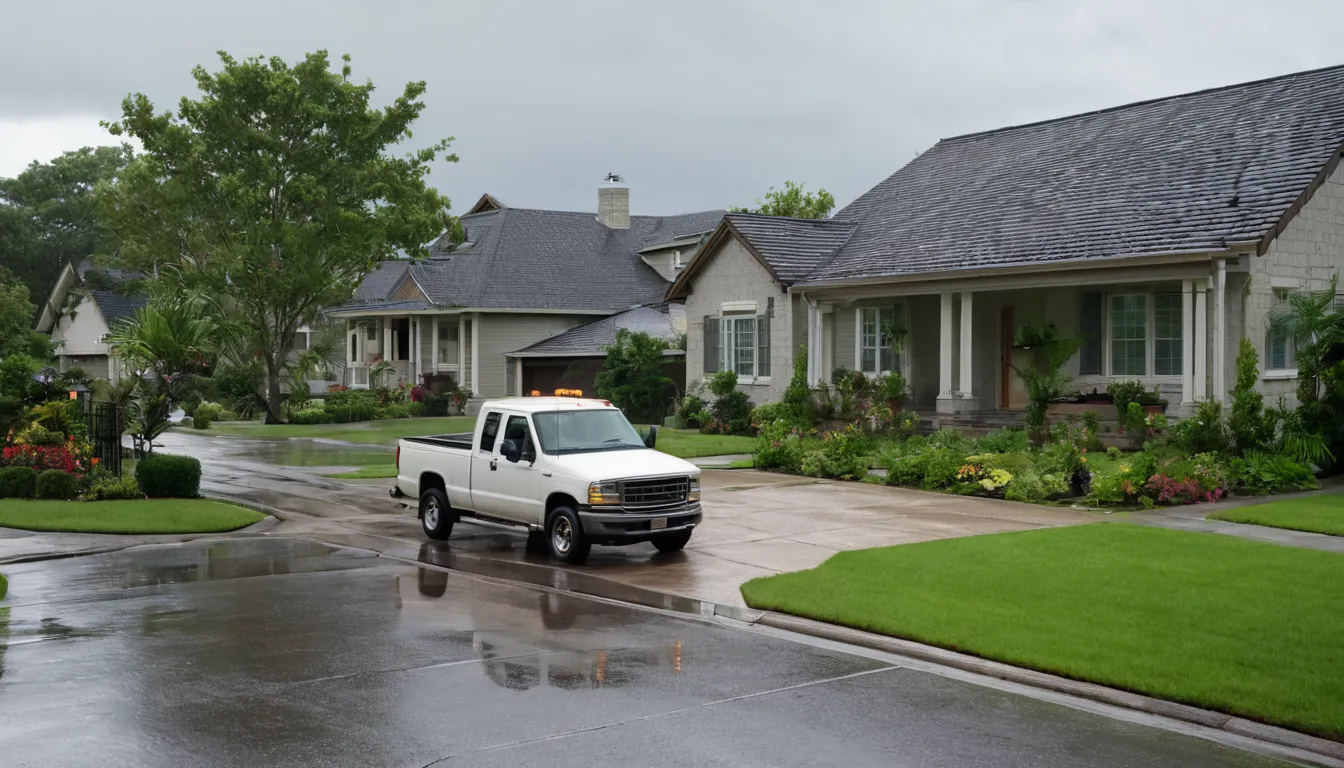
Need septic tank pumping in Clearwater?
Seeing slow drains, odors or wet ground? Request an estimate and Greecewhole Septic will route you to an independent provider in our network.
No obligationSeptic Tank Pumping FAQ
How do I know my septic tank is full?
Common signs include slow drains, gurgling pipes, sewage odors, and soggy ground over the tank or drainfield. Backups in toilets or tubs usually mean the tank needs attention soon.
How often should a septic tank be pumped?
Most homes need pumping every three to five years. Tank size, household size, and water use change that. A provider can measure sludge depth and suggest a schedule for your home.
Does Greecewhole Septic pump the tank?
No. Greecewhole Septic is a referral service. Independent providers in our network do the pumping and set their own prices.
Tell us what happened
Seeing slow drains, odors or wet ground? Request an estimate and Greecewhole Septic will route you to an independent provider in our network.
No obligation